Blog
Best Flooring for Basements in Vaughan & GTA: Vinyl Plank, Porcelain Tile, Laminate or Hardwood?

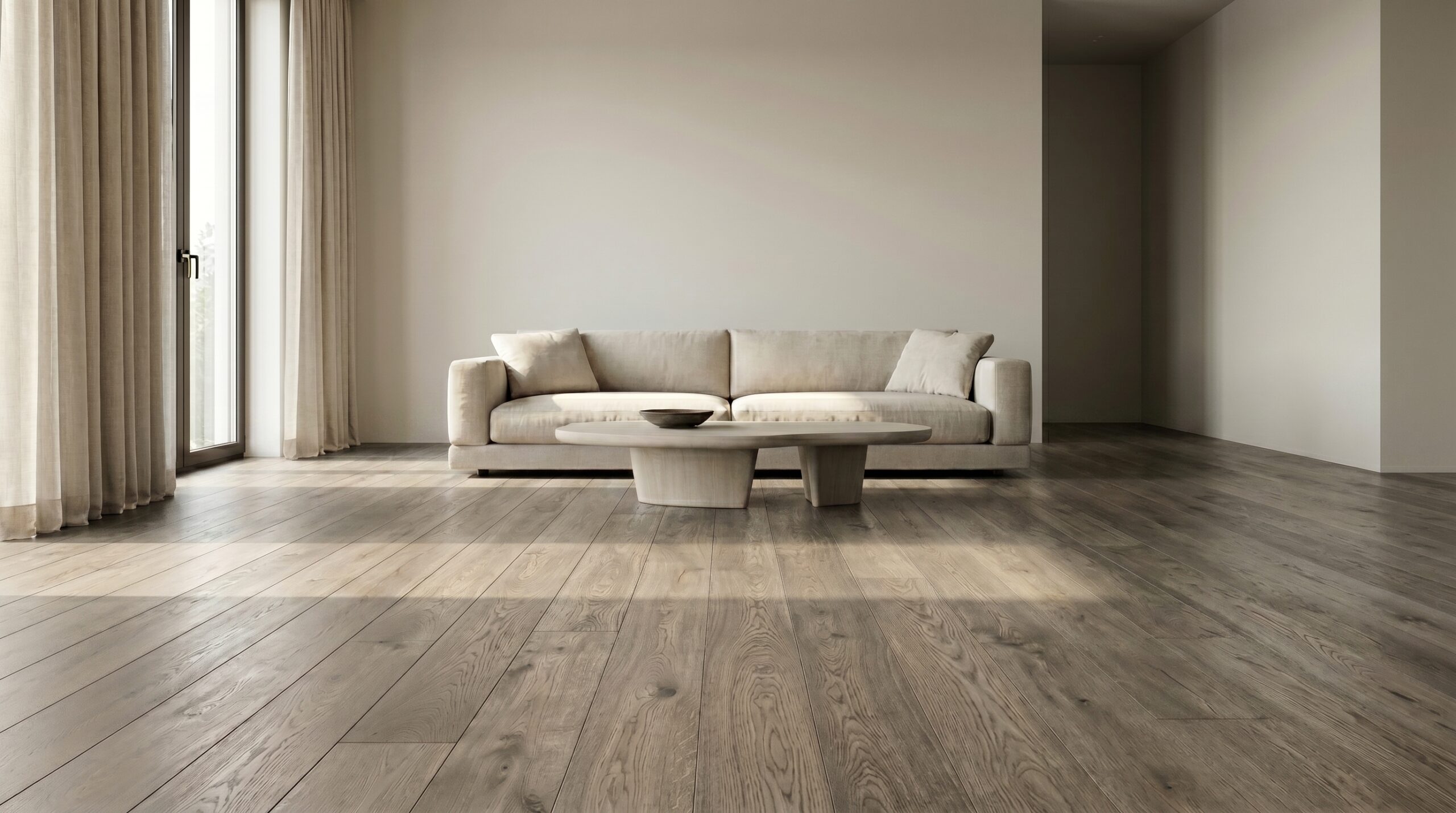
Waterproof vinyl plank and porcelain tile are usually the best flooring choices for basements in Vaughan and the GTA. Basements can have cool concrete slabs, changing humidity and occasional moisture, so the right floor needs to be durable, comfortable and appropriate for below-grade installation. This guide explains when vinyl plank, porcelain tile, laminate and engineered hardwood make sense.
Quick Answer: What Is the Best Basement Flooring?
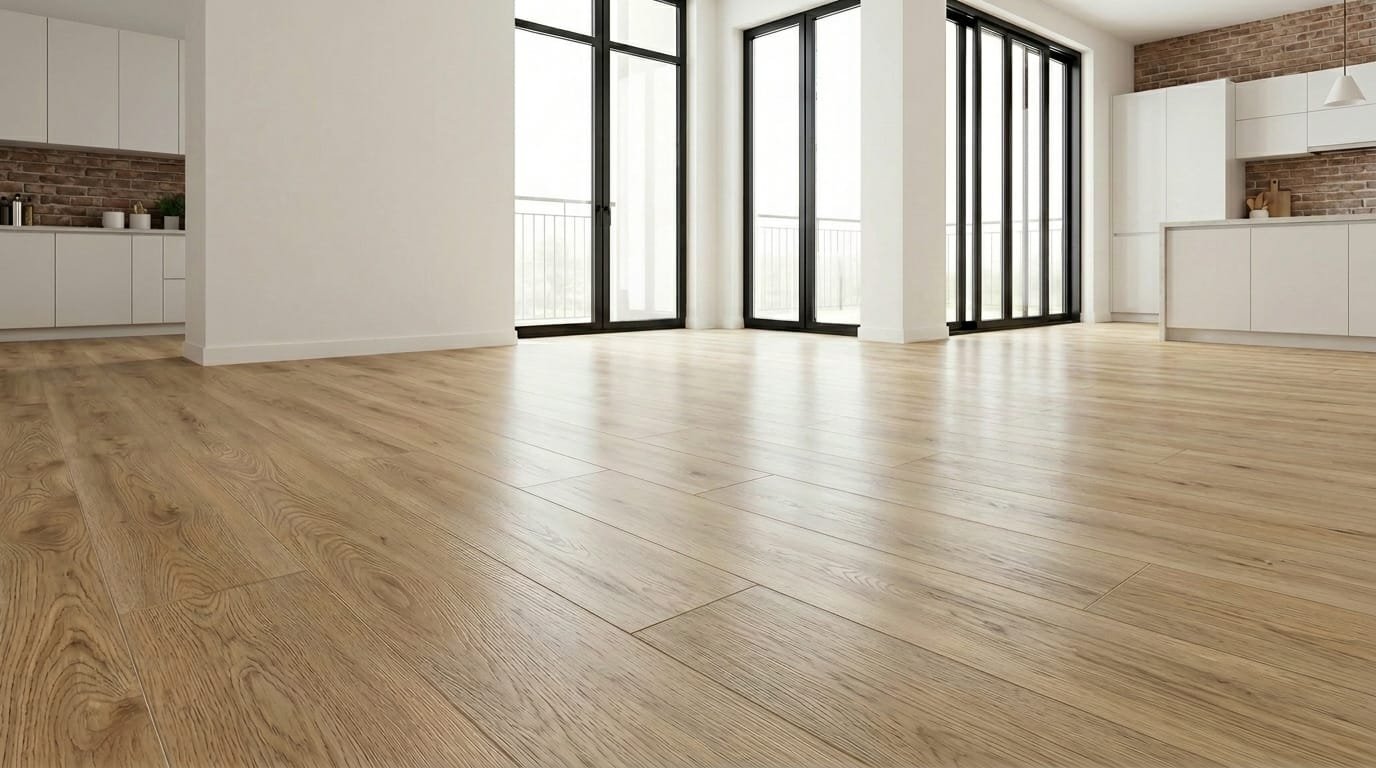
For most finished basements, waterproof vinyl plank flooring offers the best balance of water resistance, comfort, appearance and value. Porcelain tile is the strongest option for areas with higher moisture risk. Laminate and engineered hardwood can work only when the basement is dry, properly prepared and the product is approved for below-grade use.
Why Basement Flooring Needs Extra Care in Vaughan & GTA Homes
Unlike main-floor rooms, a basement floor sits directly over concrete and below ground level. Concrete can hold or release moisture even when it looks dry. Seasonal humidity, small plumbing leaks and cold subfloors can affect how flooring performs over time.
Before choosing a style or colour, check three things: moisture levels in the slab, whether the floor is level, and the manufacturer’s installation requirements. If there is a known water issue, fix it before installing any new flooring.
1. Waterproof Vinyl Plank: Best All-Around Choice
Vinyl plank is waterproof, practical and easy to live with, which is why it is a popular basement flooring choice across Vaughan and the GTA. It comes in realistic wood looks, feels warmer underfoot than tile, and works well for family rooms, playrooms, home gyms and rental-suite spaces.
- Best for: finished basements, kids’ areas, rec rooms and rental units
- Water resistance: waterproof surface
- Comfort: softer and warmer than tile
- Style: wood-look planks in light, natural and modern colours
For a floating basement floor, choose a quality click vinyl plank with the right underlayment or attached pad, based on the product instructions. For a perfectly flat concrete surface, glue-down vinyl can also be a strong option.
Shop waterproof vinyl plank flooring or visit Home Design Flooring to compare samples in person.
2. Porcelain Tile: Best for High-Moisture Areas
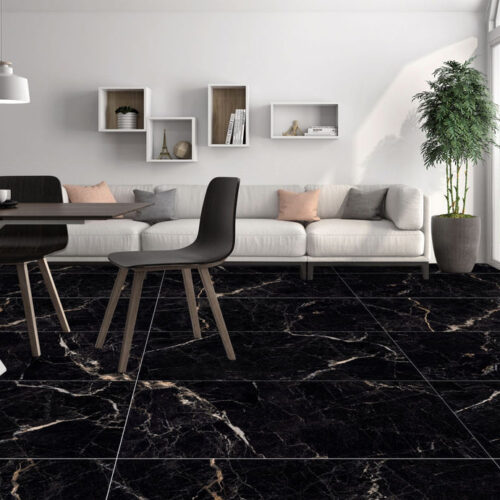
Porcelain tile is an excellent choice when moisture protection is the first priority. It does not absorb water easily, handles temperature changes well and gives a clean, long-lasting finish. It is especially useful for basement entrances, laundry rooms, bathrooms, utility spaces and walkout basements.
- Best for: bathrooms, laundry rooms, utility rooms and wet-prone areas
- Water resistance: excellent
- Durability: extremely high
- Consider: tile feels cooler and needs professional subfloor preparation
If comfort is important, area rugs or in-floor heating can make porcelain tile feel more inviting in a finished basement.
3. Laminate Flooring: Good Only in a Dry, Prepared Basement
Modern laminate can look great and provide a budget-friendly wood appearance, but it is not the first choice for a basement with moisture concerns. Water-resistant laminate can handle everyday spills, yet standing water or moisture coming through concrete can damage its core.
Choose laminate flooring only when the basement is consistently dry, the concrete has been tested and prepared, and the specific product is approved for below-grade installation. It can be a good fit for a dry home office or low-traffic finished space.
4. Engineered Hardwood: Beautiful, but Needs the Right Conditions
Engineered hardwood offers a real-wood surface and can be more stable than solid hardwood, but it still needs a dry, stable basement. It is not suitable for a basement with recurring moisture, flooding risk or an unprepared slab.
For homeowners who want an authentic wood look with lower risk, waterproof vinyl plank is often the more practical basement option. If you are considering hardwood elsewhere in your home, read our guide: Engineered vs. Solid Hardwood Flooring for Vaughan & GTA Homes.
Basement Flooring Comparison
| Flooring type | Moisture resistance | Best use | Basement recommendation |
|---|---|---|---|
| Waterproof vinyl plank | Excellent | Family rooms, rec rooms, rental suites | Best all-around choice |
| Porcelain tile | Excellent | Bathrooms, laundry rooms, entrances | Best for high-moisture areas |
| Laminate | Moderate | Dry, finished rooms | Use only with proper moisture control |
| Engineered hardwood | Moderate | Dry, premium finished spaces | Use only if product and slab are suitable |
How to Prepare a Concrete Basement Floor
- Address leaks or water issues first. New flooring cannot solve a foundation, plumbing or drainage problem.
- Test for moisture. A flooring professional can help determine whether the slab is suitable for your chosen product.
- Check for levelness. Click flooring and tile both need a reasonably flat surface for a clean, lasting installation.
- Use the right underlayment or moisture barrier. Follow the exact manufacturer instructions for the flooring you select.
- Choose an experienced installer. Proper preparation matters as much as the flooring itself.
Choosing the Right Basement Flooring Colour
Basements often have less natural light, so lighter oak, warm beige, soft greige and natural wood tones can make the room feel larger and brighter. Dark floors can look elegant, but they may make a small basement feel more enclosed. For more colour ideas, see How to Choose the Right Flooring Colour for Your Vaughan or GTA Home.
Frequently Asked Questions
Is vinyl plank good for a basement?
Yes. Waterproof vinyl plank is one of the best flooring options for a finished basement because it handles everyday moisture, looks like wood and is more comfortable underfoot than tile.
Can I install laminate flooring in a basement?
Yes, but only if the basement is dry, the concrete is properly prepared and the laminate is rated for below-grade installation. If moisture is a concern, waterproof vinyl plank is the safer choice.
What flooring should I avoid in a basement?
Solid hardwood is usually not recommended for basements because natural wood expands and contracts with moisture changes. Avoid any flooring installation before correcting active water or moisture problems.
Do I need a moisture barrier under basement flooring?
It depends on the product and the condition of the concrete. Many basement installations need a moisture-control layer or approved underlayment. Always follow the flooring manufacturer’s installation instructions.
Find the Right Basement Flooring in Vaughan
Every basement is different. Bring your room measurements, photos and ideas to our Vaughan showroom, and the Home Design Flooring team can help you compare waterproof vinyl plank, porcelain tile, laminate and hardwood options for your space.
Contact Home Design Flooring to ask about products, samples or installation guidance.